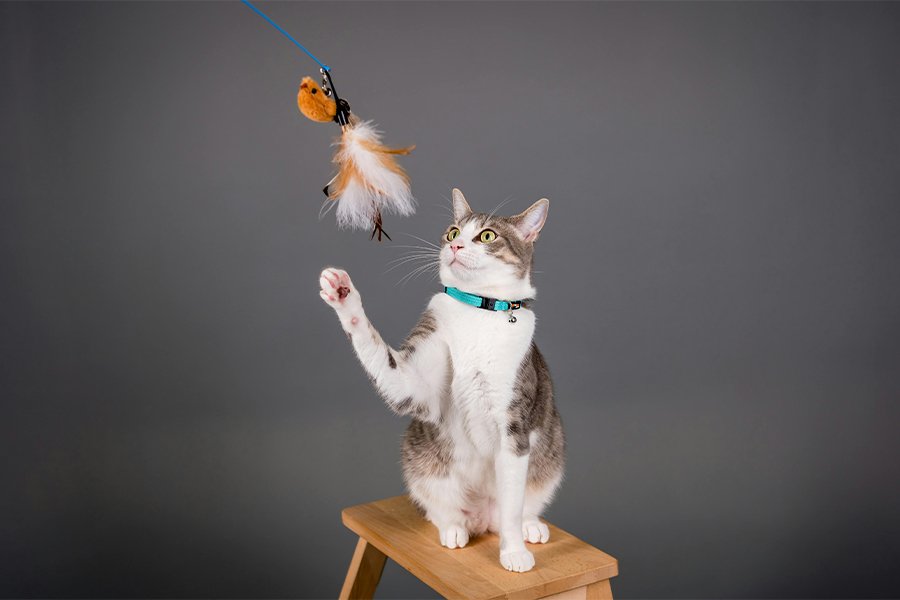
Cats purr for many reasons — from showing comfort and affection to reducing stress and supporting natural healing. By understanding why your cat purrs, you can read their emotions better and respond to their needs with more confidence. This deeper insight into Why Does My Cat Purr strengthens your bond and helps you provide better everyday care.
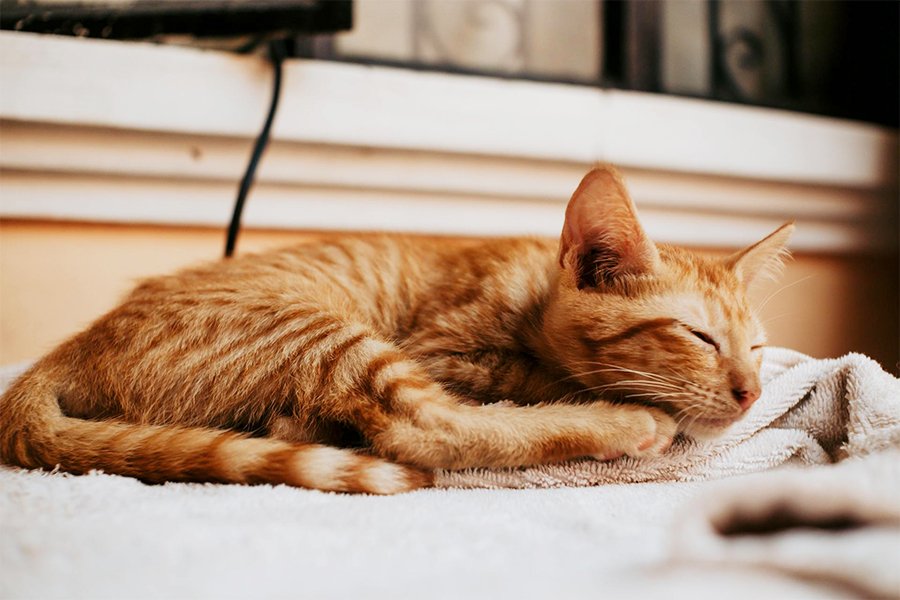
Every cat owner has heard it — that gentle, rhythmic sound that feels both calming and mysterious. When your cat curls up beside you and starts to purr, it can instantly bring peace. But have you ever wondered why cats purr? Is it just a sign of happiness, or is there more to this fascinating sound?
Scientists, veterinarians, and cat behaviorists have spent decades studying purring, and the truth is more complex than simple contentment. Cats purr for communication, self-healing, bonding, and even stress relief. In this complete guide, we’ll uncover what causes cats to purr, the science behind it, and what it reveals about your cat’s health and emotions.
Purring is a unique vocal behavior found primarily in domestic cats and some wild species, such as cheetahs and pumas. It is produced when a cat’s laryngeal (voice box) muscles twitch rapidly while inhaling and exhaling. This movement causes the vocal cords to vibrate, creating that familiar “rrrr” sound — typically between 25 to 150 Hertz.
Interestingly, this frequency range is not random; studies have shown that these vibrations may actually promote bone and tissue healing, which is why purring has been likened to a natural self-repair mechanism.
So, purring isn’t just cute — it’s biological magic at work.
Unlike meowing or growling, which happen only during exhalation, purring occurs both while breathing in and out. This makes it a continuous sound.
Here’s how it happens step-by-step:
Each cat’s purr is unique. Some sound like soft humming, others more like rolling thunder. You can even feel the vibration if you place your hand gently on your cat’s neck or chest.
Many people believe cats purr only when happy — but that’s just part of the story. Cats also purr when frightened, injured, or even dying. Let’s explore the key reasons:
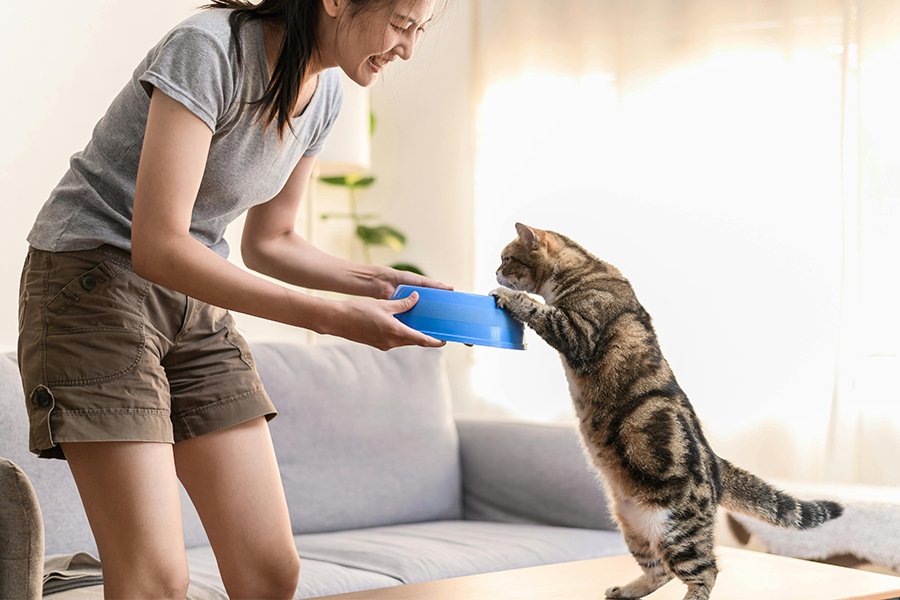
The most common reason cats purr is that they feel relaxed, safe, and happy. When your cat curls up on your lap or kneads you softly, that purr means, “I’m comfortable, and I trust you.”
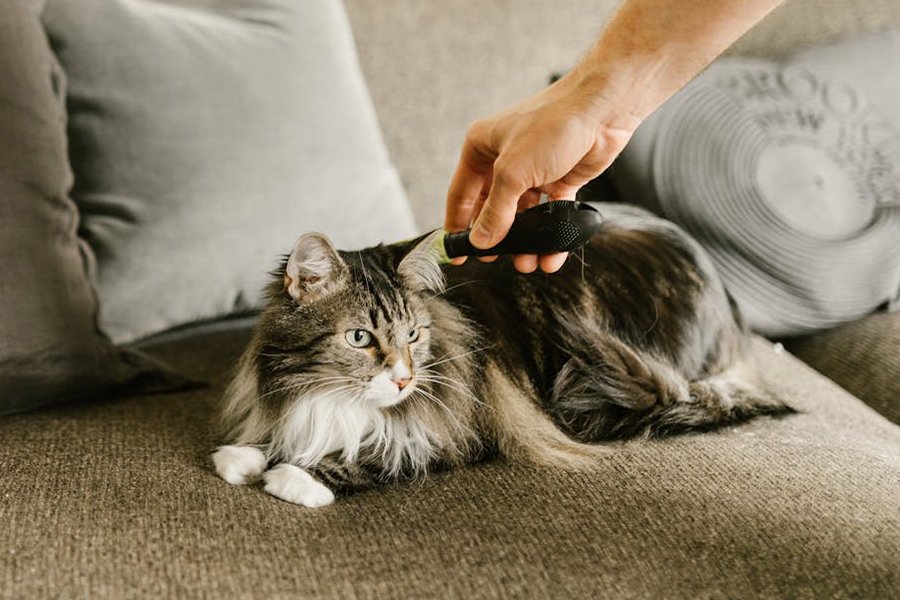
Purring often occurs during moments of affection — petting, cuddling, or gentle brushing — as a way for cats to express contentment and bond with their humans.
Cats use purring to communicate. Studies show cats may change the tone of their purr when asking for something — like food or attention.
This is known as the “solicitation purr”, which has a higher frequency mixed with a cry-like sound. Pet owners subconsciously respond to this frequency because it resembles a baby’s cry. Clever, right?
So next time your cat purrs louder around feeding time — it’s not just love, it’s smart communication.
Here’s where it gets fascinating. Research suggests cats purr at frequencies that promote healing. Vibrations between 25 and 50 Hz can stimulate bone regeneration and tissue repair.
This could explain why cats recover from injuries faster than many other animals. They might be using their own bodies as natural healing tools.
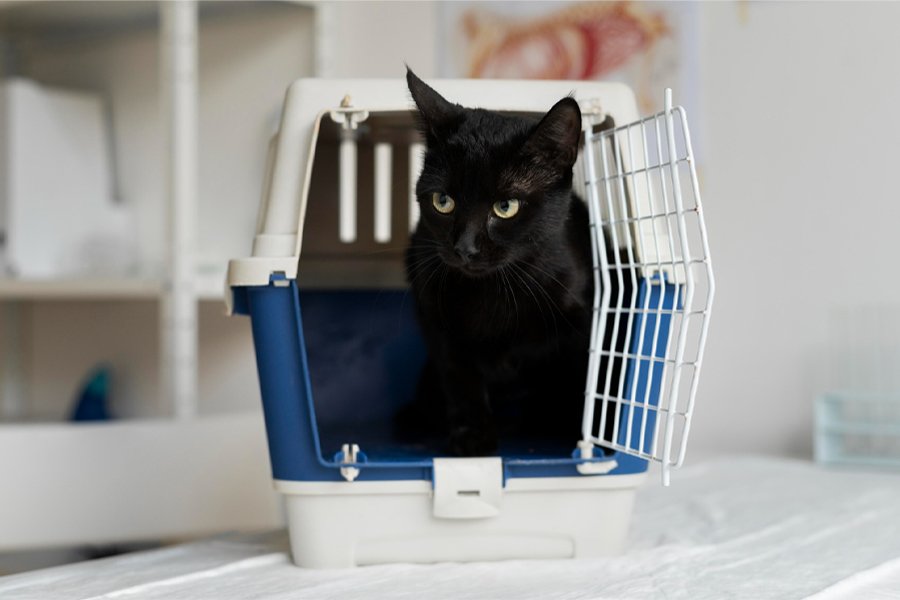
Just as humans use deep breathing for relaxation, cats use purring as a natural stress reliever. Cats often purr when under pressure — during vet visits, labor, or after being scared.
It’s their way of calming themselves down. Purring releases endorphins, which reduce pain and anxiety — similar to how humans feel better after crying or meditating.
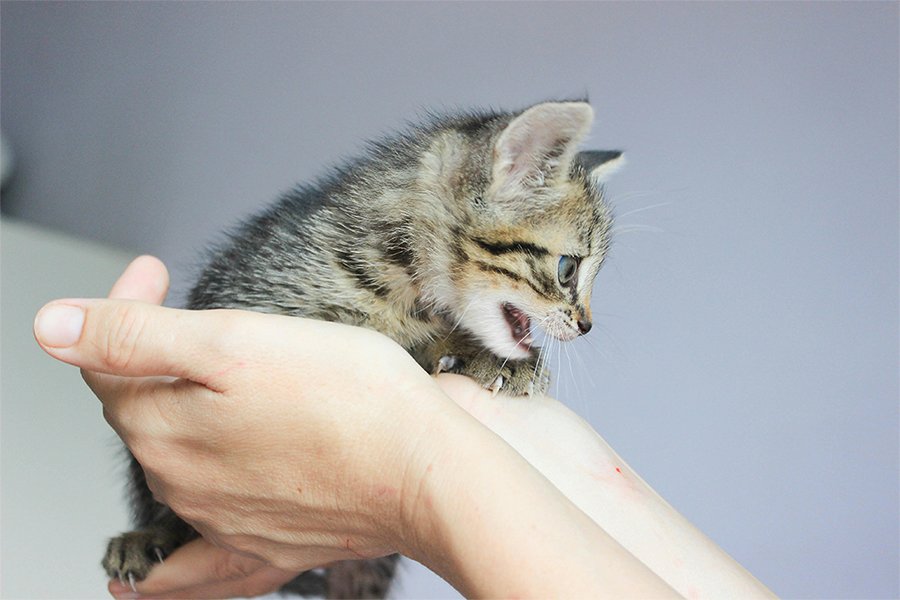
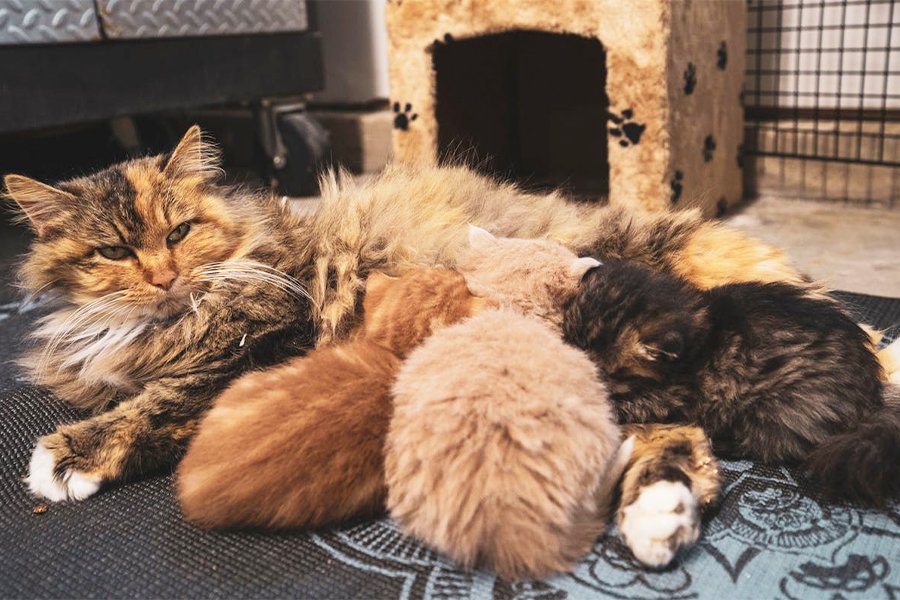
From birth, kittens begin purring at just a few days old. They use it to signal to their mothers that they are safe and nursing well. Mother cats also purr back to comfort their kittens and guide them during feeding.
This early bonding through sound continues throughout a cat’s life — one reason adult cats often purr when they feel secure.
When your cat purrs near you — especially when closing their eyes or lying belly-up — it’s one of the biggest signs of trust. Cats are vulnerable when they purr deeply, so they only do this when they feel completely safe.
In multi-cat homes, cats may even purr when grooming or sleeping beside each other as a form of peaceful communication.
Not all purring signals happiness. Some cats purr when anxious, injured, or in pain. This type of purr is usually lower, more continuous, and sometimes combined with tense body language.
You might notice:
In such cases, purring acts as a self-soothing behavior, similar to a child humming to calm down.
If you ever notice your cat purring while limping, refusing food, or hiding, it’s time to visit the vet. Purring might be their way of coping with discomfort.
Did you know your cat’s purr can help you, too?
Research shows that listening to a cat’s purr can lower blood pressure, reduce stress, and improve mood. The rhythmic sound has a calming effect similar to meditation or soft music therapy.
That’s why therapy cats are often used in hospitals or nursing homes — their presence promotes emotional healing and relaxation.
So, while your cat benefits physically, you’re getting mental wellness in return. It’s a beautiful example of mutual healing.
Not every cat purrs audibly — and that’s okay. Some cats purr so quietly you can only feel the vibration. Breed, genetics, and personality all play roles.
Silent or minimal purring doesn’t mean your cat isn’t happy. Some cats express affection through slow blinking, rubbing against you, or gentle headbutts instead.
If your cat used to purr but has suddenly stopped, consult a vet to rule out respiratory or throat issues.
Interestingly, not all wild cats can purr. Scientists divide felines into two groups:
Roaring cats have a different structure in their voice box, allowing them to roar but not purr continuously. This means your house cat has a unique superpower, even big cats don’t!
When your cat purrs while sitting beside you, it creates a shared moment of peace. Studies have shown that cats often synchronize their purrs to their owners’ breathing or heartbeat rhythms — enhancing emotional connection.
Over time, this consistent positive interaction builds deep trust. That’s why even the shyest cats can form strong attachments through purring and gentle interaction.
Let’s clear up a few common misunderstandings:
Understanding these nuances helps you respond better to your cat’s emotional needs.
You can help your cat feel relaxed and encourage positive purring with a few simple actions:
Positive reinforcement and love are the keys to keeping your cat’s purrs happy and healthy.
The question “Why does my cat purr?” opens the door to one of nature’s most fascinating behaviors.
Purring isn’t just a sound — it’s communication, therapy, and healing all in one. From expressing happiness to easing pain and even helping the body heal, purring shows just how amazing cats truly are.
So the next time your cat curls up on your lap and starts that soft vibration, smile and know that it’s not just affection — it’s science, comfort, and love wrapped in one gentle hum.

WRITTEN BY
Md Hazrat Ali
A passionate pet blogger
and SEO content writer
At LovelyCatStore.com, some links are affiliate links. If you buy through them, we may earn a small commission at no extra cost to you. We participate in the Amazon Services LLC Associates Program, which helps us earn by linking to Amazon.com and related sites. Read more here…