
Cats may seem independent, but their dental health depends entirely on you. Just like humans, cats can suffer from plaque buildup, gum disease, and painful infections if their teeth are not cared for properly. Learning how to improve cat dental health is an essential part of responsible pet ownership. Healthy teeth mean a happier, more active cat, free from pain and bad breath.
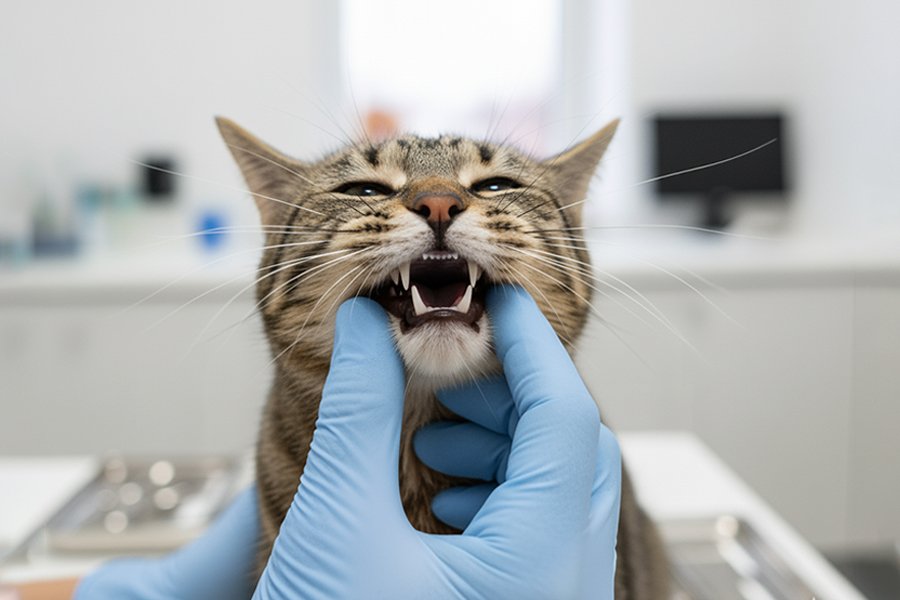
Your cat’s mouth is the gateway to overall health. Poor oral hygiene can lead to serious problems, including tooth decay, inflamed gums, and even heart or kidney disease. Many cat owners overlook dental care because cats do not show pain easily. However, regular observation and proper dental hygiene can prevent most oral issues. Dental care for cats is not just about cleaning teeth—it is about keeping the whole body healthy.
When you understand how to improve cat dental health, you can catch problems early and protect your cat from unnecessary suffering. Healthy gums should look pink, not red or swollen. Their breath should be mild, not foul. If you notice drooling, loss of appetite, or pawing at the mouth, these may be early signs of dental trouble.
Improving feline dental health begins with consistent daily habits. Brushing your cat’s teeth may sound challenging, but it becomes easier once you get your cat used to it. Use a cat-specific toothbrush and toothpaste—never human toothpaste, as it can be toxic to cats. Start slowly, letting your cat taste the toothpaste first. Gradually, introduce gentle brushing motions. This small daily routine can make a huge difference in preventing tartar buildup and bad breath.
If brushing feels impossible at first, do not give up. Try dental wipes or water additives designed to promote cat oral hygiene. These help reduce plaque and maintain fresh breath between brushings. You can also use dental treats that are made to clean teeth while your cat chews. These crunchy snacks support oral health naturally.
Diet plays a key role in maintaining healthy cat teeth. A balanced, high-quality diet strengthens your cat’s gums and teeth from within. Dry food helps scrape away plaque during chewing, while wet food provides hydration and a soft texture for sensitive teeth. The best approach is a combination of both, depending on your cat’s needs.
Some specialized cat foods are made to promote dental health. These foods contain a unique texture that helps reduce tartar buildup. Look for vet-recommended brands labeled for “oral care” or “dental formula.” You can also offer raw bones or dental chews, but always under supervision to prevent choking hazards. The right nutrition supports strong teeth, healthy gums, and fresh breath.
Even with excellent home care, professional dental checkups are essential. Veterinarians can identify issues you might miss, such as gum infections, tooth resorption, or broken teeth. It is recommended to schedule a dental exam at least once a year, or more often for older cats. During the visit, your vet may perform dental scaling to remove plaque and tartar from under the gumline—something brushing alone cannot do.
Professional cleanings are performed under anesthesia to ensure your cat remains calm and pain-free. Although it might sound intimidating, these cleanings are vital to maintaining long-term dental health. Regular checkups not only keep your cat’s mouth clean but also help detect early signs of disease before they become serious.
Cats are masters at hiding discomfort. That is why it is important to watch for subtle signs that may indicate dental trouble. Some common symptoms include:
If you see any of these signs, take your cat to the vet right away. Ignoring early warning signs can lead to painful infections or tooth loss. Regular observation is a key part of improving feline dental health.
Some pet owners prefer to support cat dental health naturally. Coconut oil, for example, has mild antibacterial properties and can be used in small amounts to clean your cat’s teeth. You can also use natural dental sprays made from safe, plant-based ingredients that help reduce bacteria and freshen breath. Always consult your vet before trying new home remedies to ensure safety.
Chewing toys made from rubber or soft materials also help cats naturally clean their teeth. These toys encourage chewing, which massages the gums and removes plaque. Combining these natural methods with professional dental care gives the best results for maintaining healthy cat teeth.
Water is often overlooked, but it plays a major role in a cat’s dental health. A well-hydrated cat produces more saliva, which naturally washes away food particles and bacteria. Always keep fresh and clean water available for your cat.
To encourage better hydration, consider using a cat water fountain like this stainless steel pet fountain that provides continuous running water — cats love it!
If you want to explore more hydration essentials, check out our Cat Water & Feeding Accessories page for safe and vet-approved options. Proper hydration not only supports oral hygiene but also maintains kidney and urinary health.
Cats can be sensitive to new routines, so patience is key. Start dental care early, preferably when your cat is still a kitten. Use positive reinforcement —like treats and praise —after every brushing session. This builds trust and makes the experience enjoyable rather than stressful. Even if your cat resists at first, stay consistent—gentle repetition will make it easier over time.
You can also make the process more comfortable by choosing the right time. Try brushing when your cat is relaxed, such as after playtime or before sleep. Speak softly and move slowly. The goal is to make dental care a bonding moment instead of a struggle.
Preventing dental problems is easier than treating them. Here are a few practical steps:
These simple habits can greatly improve your cat’s dental hygiene and overall well-being. Remember, prevention is always better than a cure.
Learning how to improve a cat’s dental health is one of the best gifts you can give your pet. A clean mouth means less pain, better digestion, and a longer, happier life. Combine daily brushing, healthy nutrition, and regular vet visits for the best results. Good dental care ensures your feline friend continues to smile—purrfectly healthy and full of joy.
Q1: How frequently should I clean my cat’s teeth?
Ideally, you should brush your cat’s teeth every day. If that is not possible, try to maintain good oral hygiene at least three times per week.
Q2: Is it safe to use human toothpaste on my cat?
No. Human toothpaste can be toxic to cats. Always use toothpaste specially made for cats, available in flavors like chicken or fish.
Q3: What is the best food for dental health in cats?
Dry kibble and vet-approved dental diets are great choices. They help scrape off plaque naturally as your cat chews.
Q4: How can I tell if my cat has dental problems?
Look for signs like bad breath, drooling, loss of appetite, or pawing at the mouth. If you see any of these, schedule a vet visit.
Q5: Are professional cleanings necessary?
Yes. Even with regular home care, professional cleanings remove plaque from under the gums and keep your cat’s teeth truly healthy.
Q6: Can older cats benefit from dental care?
Absolutely. It is never too late to start improving dental health. Older cats especially benefit from gentle cleanings and regular vet checks.
By following these simple, consistent steps, you can maintain your cat’s dental health and ensure a lifetime of bright smiles and happy purrs.

WRITTEN BY
Md Hazrat Ali
A passionate pet blogger
and SEO content writer
At LovelyCatStore.com, some links are affiliate links. If you buy through them, we may earn a small commission at no extra cost to you. We participate in the Amazon Services LLC Associates Program, which helps us earn by linking to Amazon.com and related sites. Read more here…